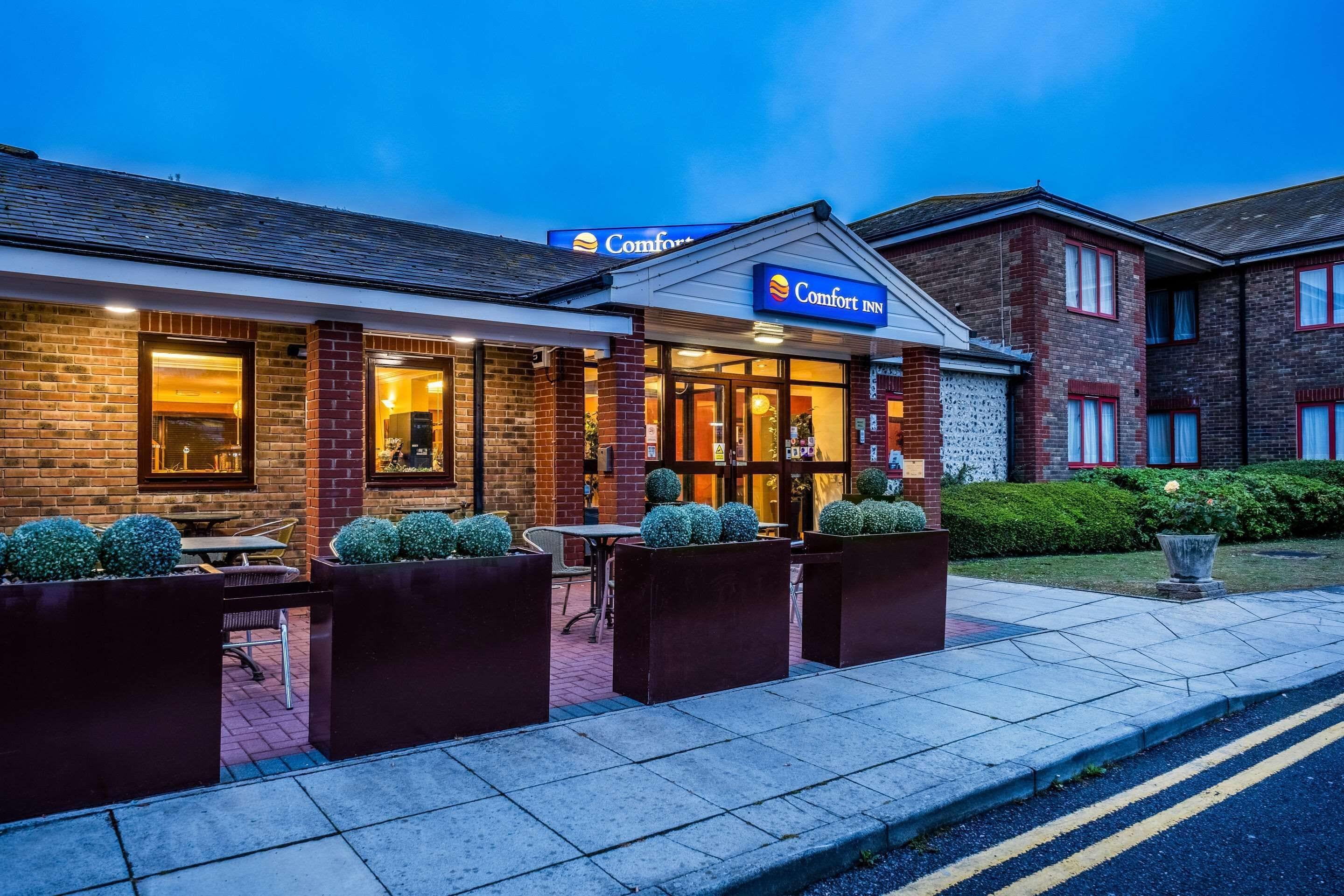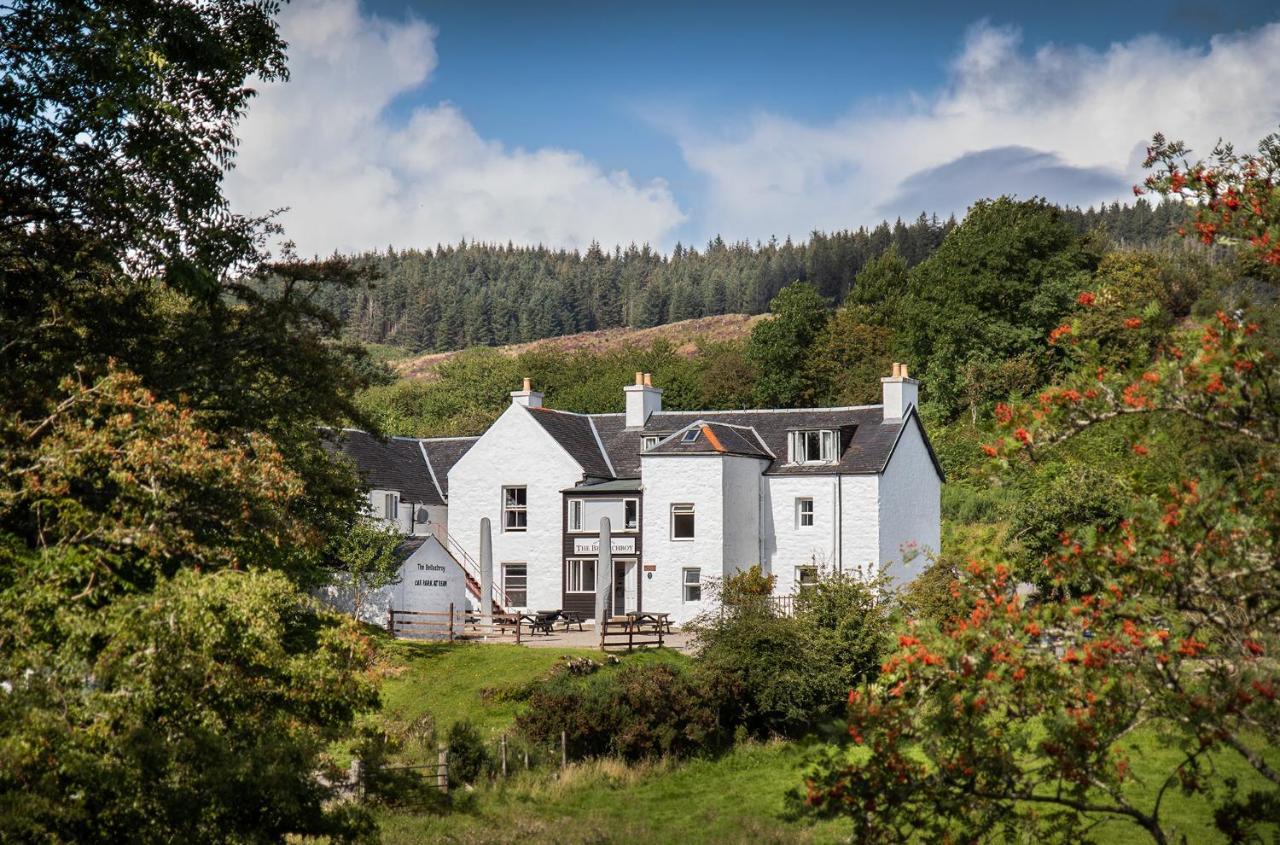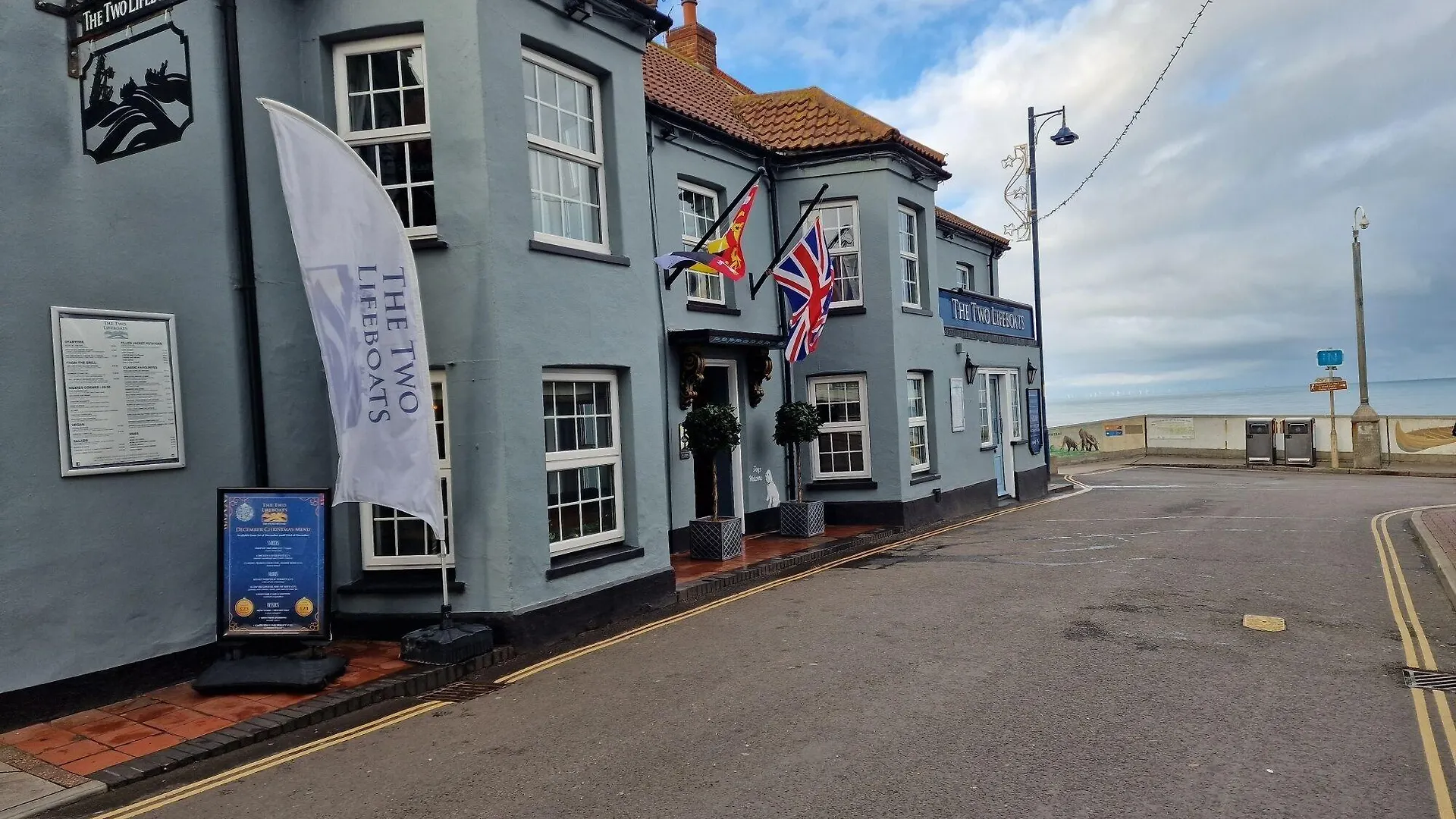
Norfolk's coastline stretches over 90 miles, offering everything from sandy beaches at Hunstanton to shingle coves near Sheringham and the wild marshes of Blakeney. Beach hotels here range from cliffside Edwardian retreats to beachfront B&Bs just metres from the water, giving travellers genuinely different coastal experiences depending on which stretch of the coast they choose.
What It's Like Staying in Norfolk
Norfolk is one of England's most distinctive coastal counties - flat, wide-skied, and surprisingly remote for a region within around 2 hours of London by train. The North Norfolk coast in particular is an Area of Outstanding Natural Beauty, drawing walkers, birdwatchers, and seaside-break travellers rather than the typical bucket-and-spade crowds of Bournemouth or Brighton. Staying here means slower mornings, longer drives between villages, and a genuine sense of escape - but it also means planning is essential, especially outside the main summer window.
Pros:
- Uncrowded, genuinely scenic coastline with AONB-protected landscapes across the North Norfolk stretch
- Strong concentration of independent food and hospitality - local crab, samphire, and real ale are staples on most menus
- Easy access to Blakeney Point seals, the Broads, and heritage estates like Blickling Hall from a single base
Cons:
- Public transport between coastal villages is limited - a car is effectively essential for most travellers
- Summer weekends (especially July-August) see sharp price increases and accommodation books out weeks in advance
- The coast road (A149) can become congested in peak season, making short distances feel much longer
Why Choose a Beach Hotel in Norfolk
Beach hotels in Norfolk occupy a fundamentally different market position to those in busier English seaside resorts. Rather than high-rise blocks or chain properties, Norfolk's coastal accommodation skews heavily toward character-led independent hotels, historic buildings, and boutique B&Bs - many with direct sea views or garden terraces facing the water. Nightly rates at 4-star beach properties here are typically lower than comparable coastal hotels in Cornwall or the South Downs, making Norfolk one of the stronger value propositions for a UK coastal break without sacrificing quality.
Room sizes tend to be generous by British standards, particularly in the older Edwardian and Victorian properties that dominate the North Norfolk coast. Breakfast quality is a genuine differentiator - full English breakfasts with locally sourced produce are a consistent highlight across the category, often included in the room rate.
Pros:
- Direct or near-direct beach access from most properties, with coastal views often available from rooms at no premium
- Breakfast typically included, featuring local Norfolk produce - crab, smoked fish, and regional eggs are common
- Smaller, independent properties mean more personalised service than chain hotels at comparable price points
Cons:
- Many properties have limited onsite parking or require advance arrangement - essential given poor local public transport
- Availability at the most popular properties drops sharply from May onwards - last-minute booking is high-risk
- Some historic buildings have limited accessibility features despite recent upgrades
Practical Booking & Area Strategy
The North Norfolk coast runs west to east from Hunstanton to Cromer, and choosing the right base town matters significantly depending on your priorities. Hunstanton sits on the Wash and is the only east-facing seaside town in England that faces west - meaning sunsets over the sea, a rarity on the east coast, and a very different atmosphere from the wilder stretches near Sheringham or Overstrand. Sheringham and Cromer are connected by the North Norfolk Railway (the Poppy Line), making them unusually accessible without a car for day trips, while Overstrand, just south of Cromer, offers a quieter residential feel with cliff-top positioning. For families, Hunstanton's proximity to the Sea Life Sanctuary and its wide sandy beach makes it the most practical base; for couples or walkers, the Sheringham-Cromer-Overstrand corridor offers better access to coastal paths, the Peddars Way, and wildlife sites like Blakeney Point. Book at least 6 weeks ahead for summer stays, and consider a midweek arrival to avoid weekend premiums of around 25% at the most popular properties.
Best Value Beach Stays
These properties deliver strong coastal positioning with competitive rates, making them well-suited to travellers who want genuine beach access without paying a premium for the most exclusive cliff-top addresses.
-
1. The Two Lifeboats
Show on map


 Check-infrom 15:00 until 22:00Check-outuntil 11:00
Just a few rooms left at the best rate!
from£ 105
-
2. The Golden Lion Hotel
Show on map


 Check-infrom 15:00 until 22:00Check-outfrom 08:00 until 10:00
Just a few rooms left at the best rate!
from£ 59
Best Premium Beach Stays
These properties offer more distinctive positioning - either through historic architecture, elevated sea views, or refined service - suited to travellers prioritising atmosphere and character over price.
-
3. Sea Marge Hotel
Show on map


 Check-infrom 15:00 until 23:00Check-outfrom 07:00 until 11:00
Hurry – almost gone at this price!
from£ 18
-
4. Beechwood Hotel
Show on map


 Check-infrom 14:00 until 21:00Check-outuntil 10:00
Rooms filling fast – secure the best rate!
from£ 132
Smart Travel & Timing Advice for Norfolk Beach Hotels
Norfolk's coastal season runs effectively from Easter through to late October, but the peak window of July and August brings the sharpest price increases and the most congested roads - particularly along the A149 between Hunstanton and Cromer. June and September are the strongest months to visit: sea temperatures are reasonable, crowds are visibly thinner, and room rates at properties like Sea Marge and The Two Lifeboats can be meaningfully lower than their August peaks. Winter stays are underrated - the Norfolk coast in November and December offers dramatic skies, seal-watching season at Blakeney Point (pup season peaks in December), and near-empty beaches, though some smaller restaurants reduce their hours significantly. For a coastal walking or birdwatching trip, spring - particularly April and May - is the optimal window, with migratory species arriving at reserves like Titchwell Marsh and Cley Marshes. A stay of 3 nights is the practical minimum to properly cover the coast without spending the majority of your time driving; 4 nights allows for a day at the Broads in addition to coastal activities. Book directly with the property where possible - several of Norfolk's independent hotels offer better rates or room upgrades outside the main booking platforms.