Chirk Aqueduct is one of the most striking canal engineering landmarks in Wales, carrying the Llangollen Canal across the River Ceiriog on the Wales-England border. Staying close to this UNESCO World Heritage Site means access to the Llangollen Canal towpath, Chirk Castle, and the wider Dee Valley - a region that rewards slow, landscape-driven travel more than city-break speed.
What It's Like Staying Near Chirk Aqueduct
The area surrounding Chirk Aqueduct is deeply rural - no high streets, no urban noise, and no chain hotels within walking distance of the structure itself. The aqueduct sits on the outskirts of Chirk village, which has a small local pub scene but no major transport hub. Most visitors arrive by car via the A5, and the nearest train station is Chirk Rail Station, approximately a 20-minute walk from the aqueduct. The landscape is defined by the Ceiriog Valley, the Llangollen Canal corridor, and dense woodland - making this a destination where the setting is the experience, not a backdrop to it. Accommodation options within a few kilometres tend to be rural retreats, holiday lets, or countryside inns rather than city-style hotels. Guests who stay nearby save around 40 minutes of daily driving compared to those based in Wrexham town centre trying to access the aqueduct and surrounding trails.
Pros:
- Immediate access to the Llangollen Canal towpath and Chirk Castle grounds without daily commuting
- Exceptionally quiet nights with no urban light or noise pollution - relevant for walkers and cyclists doing early starts
- Central position for day trips along the entire Llangollen Canal route, from Pontcysyllte Aqueduct to the east to Llangollen town to the west
Cons:
- No walkable dining or evening entertainment beyond a handful of village pubs - a car is essential after dark
- Rural accommodation fills quickly in peak summer months, especially around the Llangollen International Musical Eisteddfod in July
- Limited public transport options mean visitors without a car face real logistical constraints for reaching the aqueduct itself
Why Choose 4-Star Hotels Near Chirk Aqueduct
In this rural corridor between Wrexham and Llangollen, 4-star accommodation doesn't mean a city business hotel - it means properties with verifiable facilities like spa access, on-site restaurants, and structured breakfast options set within countryside or canal-side locations. The price gap between a basic B&B and a 4-star property here is often less than 30%, making the step up more justifiable than in urban markets. Room sizes at 4-star rural properties in this area tend to be notably more generous than urban equivalents, frequently including private patios, garden access, or river-facing aspects that directly enhance the Dee Valley experience. The key trade-off is that 4-star properties near the aqueduct are spread across a wider geographic radius than visitors might expect - proximity to the canal or surrounding landscapes varies, so checking exact distance to Chirk Aqueduct before booking matters. On-site dining becomes critical in this region given the limited evening food options in the surrounding villages.
Pros:
- On-site restaurants and bars eliminate the need to drive after dark in an area with sparse dining infrastructure
- Spa and wellness facilities available at select properties offer recovery options for walkers and cyclists tackling the canal towpath
- Structured breakfast service with full cooked options removes a key logistical friction point in a rural area with no cafés within walking distance
Cons:
- 4-star properties in this zone are not clustered - each requires individual assessment of its actual distance to Chirk Aqueduct
- Premium rural properties book out faster than urban hotels during the Llangollen Eisteddfod season and school summer holidays
- Some properties charge additionally for spa access even at 4-star level, so total cost can exceed headline room rate
Practical Booking & Area Strategy
Chirk Aqueduct sits directly on the B4500 near the village of Chirk, with the A5 providing the main arterial route connecting Wrexham to the east and Llangollen to the west. Llangollen itself - roughly 10 kilometres west of the aqueduct along the canal - is the most practical base for visitors wanting a mix of proximity to the aqueduct, access to the town's cafés and restaurants, and a staging point for the Pontcysyllte Aqueduct, which is around 5 kilometres east of Llangollen. Overton-on-Dee, to the north, offers quieter rural positioning with easy car access to both Chirk and Ellesmere. For walkers planning to do the canal towpath section between Chirk and Pontcysyllte, staying in Llangollen or the Chirk-adjacent countryside eliminates the need to shuttle by car. The Ceiriog Valley and Chirk Castle (a National Trust property open seasonally) are within easy reach of any accommodation based in this corridor. Book at least 6 weeks ahead for summer stays, particularly for canal-facing or spa-equipped properties that attract both leisure couples and cycling groups using the Lon Cambria route.
Best Value Stays
These properties offer strong facility-to-price ratios in the Chirk Aqueduct corridor, with self-catering flexibility or structured B&B breakfast included as standard.
-
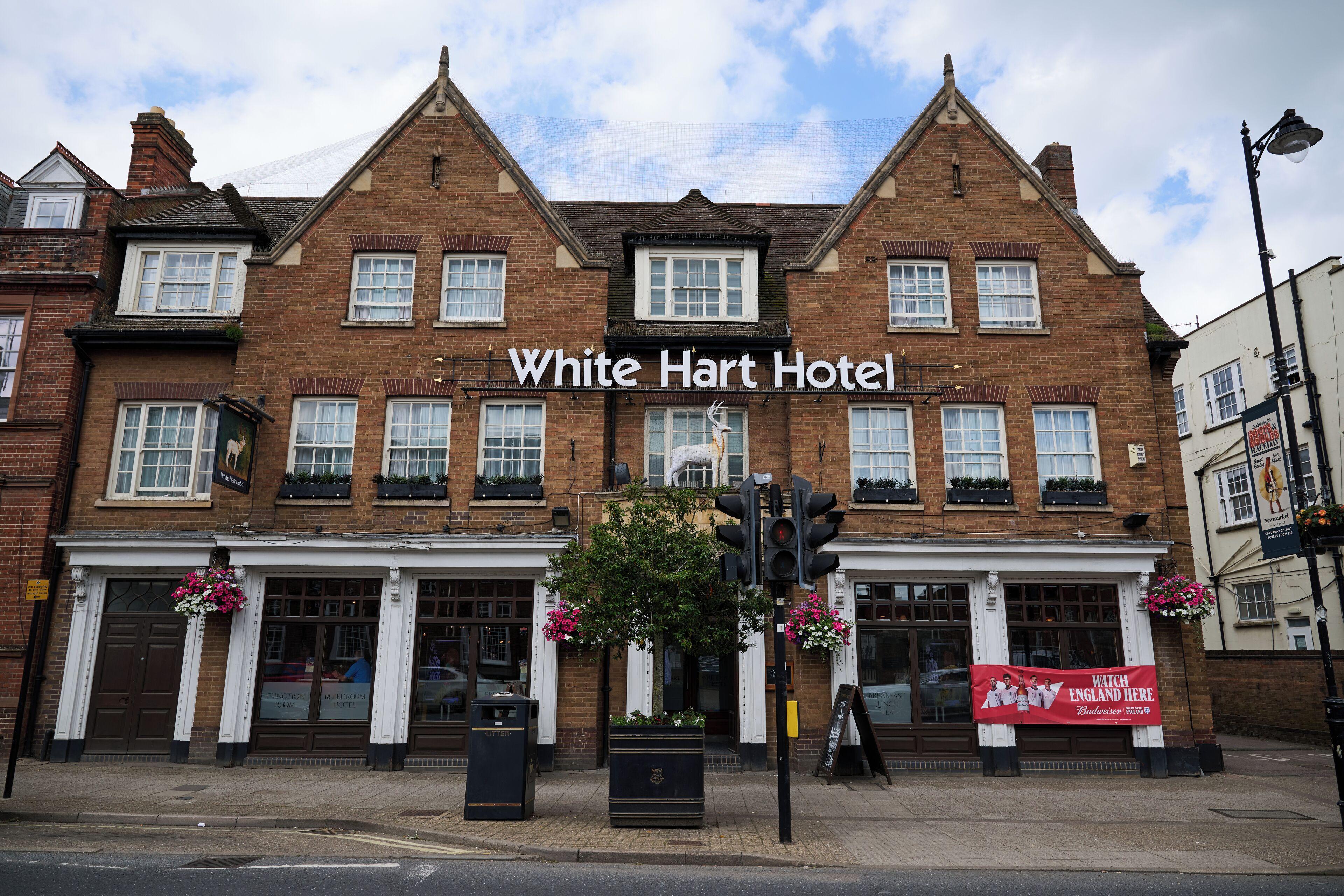
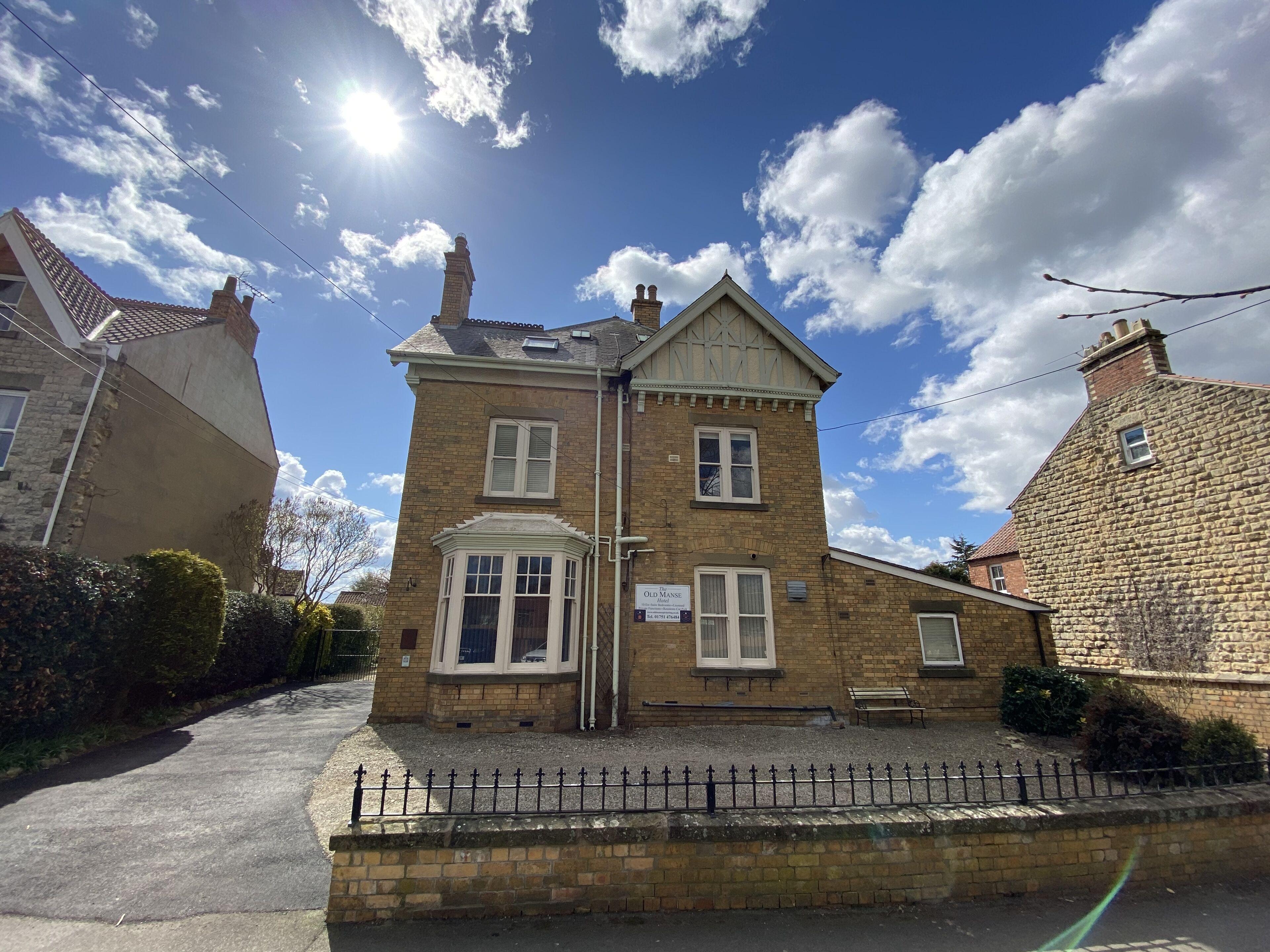
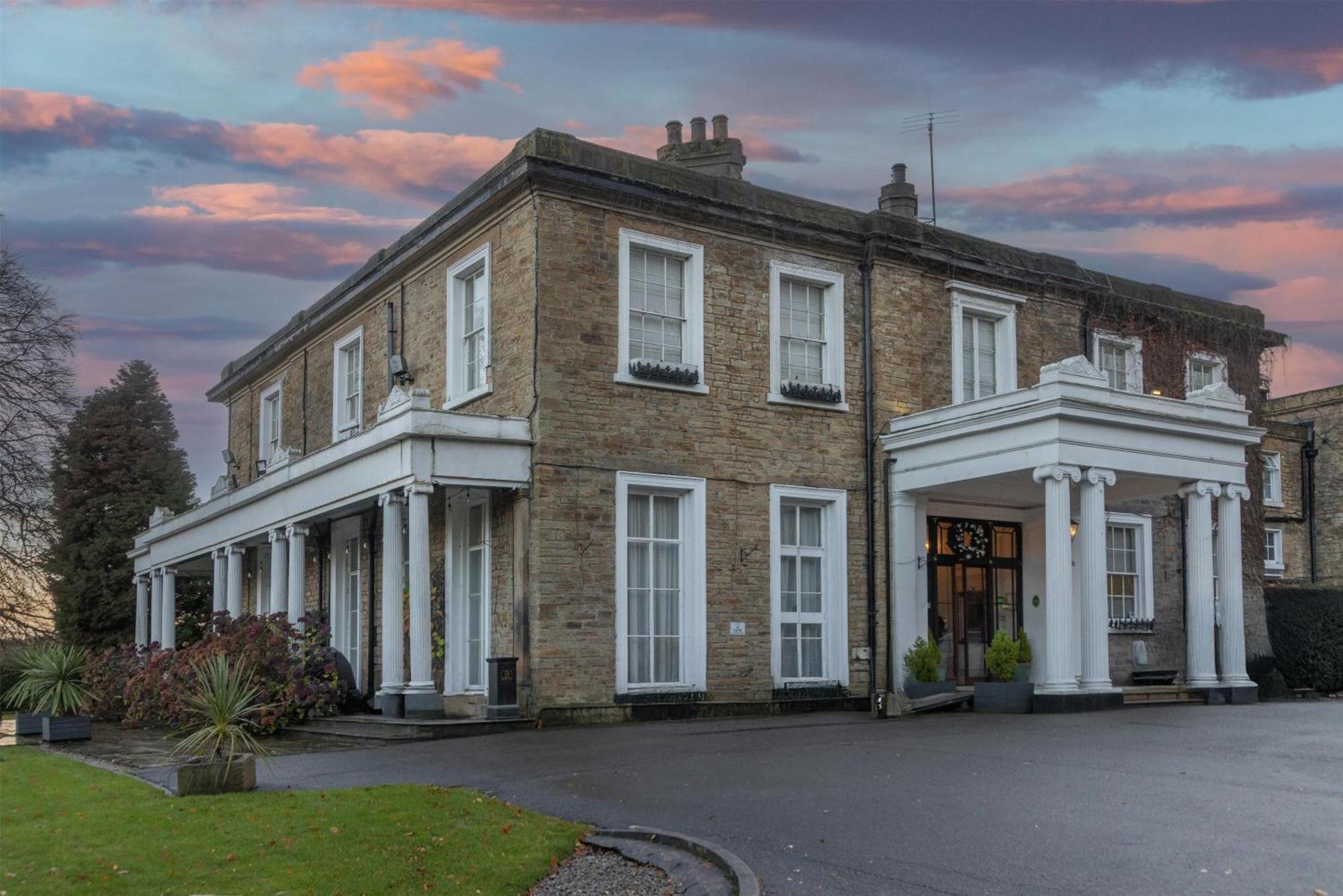
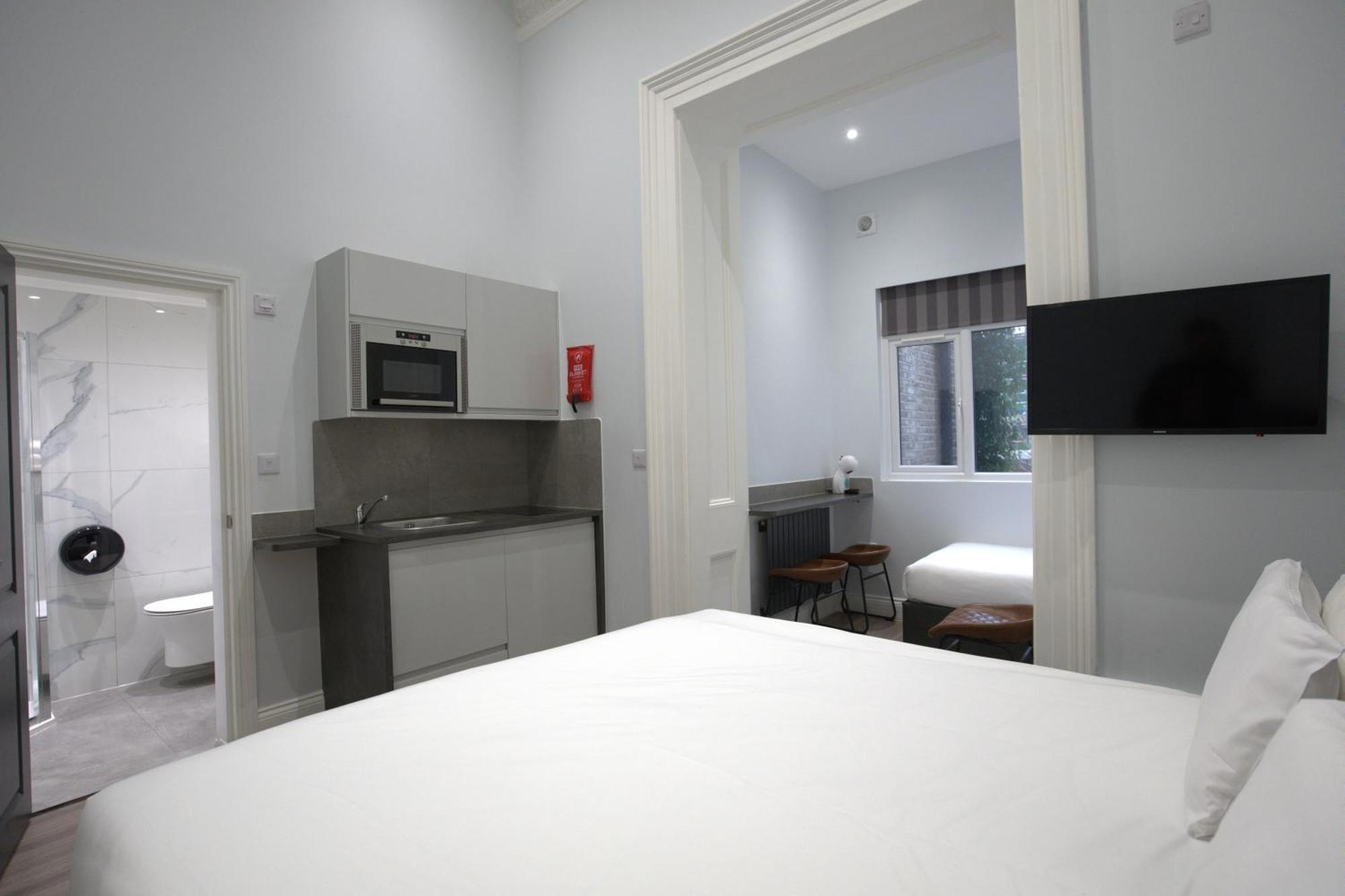
1. The Trotting Mare Holiday Lets - Adults Only
Show on map


 Check-infrom 15:00 until 19:00Check-outfrom 07:00 until 10:00
Just a few rooms left at the best rate!
from£ 84
-
2. The Cowshed
Show on map


 Check-infrom 15:00 until 22:00Check-outuntil 10:00
Just a few rooms left at the best rate!
from£ 146
Best Premium Stays
These properties deliver the highest facility density in the region - on-site spa, pool, structured dining, and canal or river positioning that directly complement a Chirk Aqueduct-based itinerary.
-
3. Lion Quays Resort
Show on map


 Check-infrom 15:00 until 23:59Check-outuntil 11:00
Hurry – almost gone at this price!
from£ 93
-
4. Riverbanc
Show on map


 Check-infrom 15:00 until 23:00Check-outuntil 10:00
Rooms filling fast – secure the best rate!
from£ 90
Smart Travel & Timing Advice for Chirk Aqueduct
The Chirk Aqueduct area follows a clear seasonal rhythm driven by the canal leisure calendar and the wider North Wales tourism peak. July is the most congested month - the Llangollen International Musical Eisteddfod draws significant visitor numbers to the entire Dee Valley, pushing accommodation availability down sharply and prices up across canal-side and rural properties alike. May and September offer the strongest balance of accessible weather, trail conditions on the towpath, and accommodation availability without peak-season pricing. Winter stays (November to February) see the quietest conditions on the canal, with Chirk Castle operating reduced hours and some rural properties moving to minimum stay requirements or closing for maintenance. For most visitors combining Chirk Aqueduct with Pontcysyllte Aqueduct and Llangollen town, a minimum of 2 nights makes logistical sense - the towpath walk between the two aqueducts alone takes the better part of a day. Book canal-side and spa properties at least 8 weeks ahead for July; last-minute availability in peak season in this corridor is genuinely limited given the small total accommodation stock in the area.